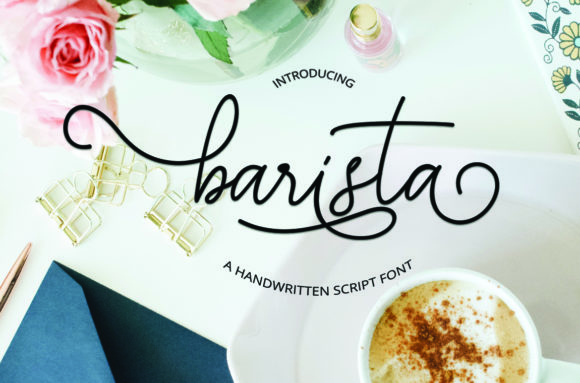
Barista: A Magical Script Font for Elegant Design
In the crowded world of visual design, finding a typeface that balances classic elegance with approachable charm can feel like discovering a hidden gem. Barista, a magical script font, offers precisely this blend, providing designers and creators with a versatile tool to elevate their work. Its carefully crafted letterforms carry a timeless quality, making it ideal for projects that require a touch of sophistication without sacrificing warmth or personality.
The Role of Typography in Modern Branding
Typography is a cornerstone of effective visual communication. The right font does more than just display words; it conveys tone, establishes hierarchy, and builds emotional connections. In branding and logo design, a font like Barista can become a core element of a brand's identity, helping it stand out in a saturated market. Its classic style lends credibility, while its friendly feel makes it relatable, striking a crucial balance for brands aiming to appear both professional and personable.
Practical Applications for Barista
The utility of a well-designed script font extends across numerous creative domains. Barista's elegant yet accessible character makes it a valuable asset for a wide range of projects. Consider its application in the following areas to enhance your design workflow and output.
- Branding & Logo Design: Use Barista for wordmarks, taglines, or secondary typography to inject personality into a brand identity.
- Marketing Materials: From brochures to flyers, its clear readability ensures messages are communicated effectively while maintaining a premium aesthetic.
- Social Media Graphics: Create eye-catching quotes, announcements, and promotional posts that stand out in a fast-scrolling feed.
- Website & UI Design: Apply it judiciously in hero sections, pull quotes, or decorative elements to add visual interest without compromising user experience (UX).
- Packaging Design: Enhance product labels and boxes with a handwritten, artisanal feel that suggests quality and care.
- Editorial Layouts: Perfect for magazine headings, invitation cards, and book covers where a touch of elegance is desired.
Leveraging Special Font Features
A significant advantage of Barista is its rich set of typographic features. Being PUA encoded means all alternate glyphs, swashes, and ligatures are fully accessible, even in basic design software. This allows for extensive customization and creativity. Designers can mix and match alternate characters to create unique, one-of-a-kind lettering for logos or headline text, ensuring the final design is truly original and aligned with the project's specific visual goals.
Tips for Effective Typography Selection
Choosing the right font is a strategic decision. When evaluating a typeface like Barista for your project, consider these factors to ensure it integrates seamlessly into your design system and enhances overall quality.
- Audience & Context: Ensure the font's personality matches your target audience and the medium. A script font is excellent for creative and lifestyle brands but may be less suitable for highly technical or corporate contexts.
- Readability & Scalability: Test the font at various sizes. While decorative, it must remain legible in both large headlines and smaller, supporting text blocks.
- Visual Hierarchy: Use Barista as an accent font to create contrast and draw the eye. Pair it with a clean, simple sans-serif or serif font for body copy to maintain balance and readability.
- Consistency: Once selected, use the font consistently across all brand touchpoints—from digital marketing to print design—to build a cohesive and recognizable identity.
Ultimately, the power of a resource like Barista lies in its ability to transform a standard design into something memorable. Thoughtful selection and application of creative assets are fundamental to professional presentation. By investing in quality typography and understanding its impact on visual hierarchy and emotional resonance, designers, marketers, and business owners can significantly improve both the aesthetic appeal and communicative power of their projects, leading to stronger engagement and a more polished brand presence.